7,363 open-source and SaaS tools, with GitHub stats refreshed every day.

3 alternatives ranked by real activity

Open-source Parallels Desktop alternatives

A curated, ranked list of the 3 best open-source alternatives to Parallels Desktop.

The best open-source alternative to Parallels Desktop is UTM. If that doesn't suit you, other good options are Quickemu and VirtualBox.

Parallels Desktop alternatives are mainly infrastructure & container tools. 3 of them shipped code in the last 30 days, 3 can be self-hosted, and 2 use a permissive licence.

Last updated October 3, 2026 · ranked by GitHub stars, growth and recent commits

UTM

UTM is an open-source virtual machine host and system emulator for macOS and iOS, built on QEMU, for running Windows, Linux and more.

GitHub stars
36k
Last commit
8 days ago
Latest release
v4.7.5
Licence
Apache-2.0
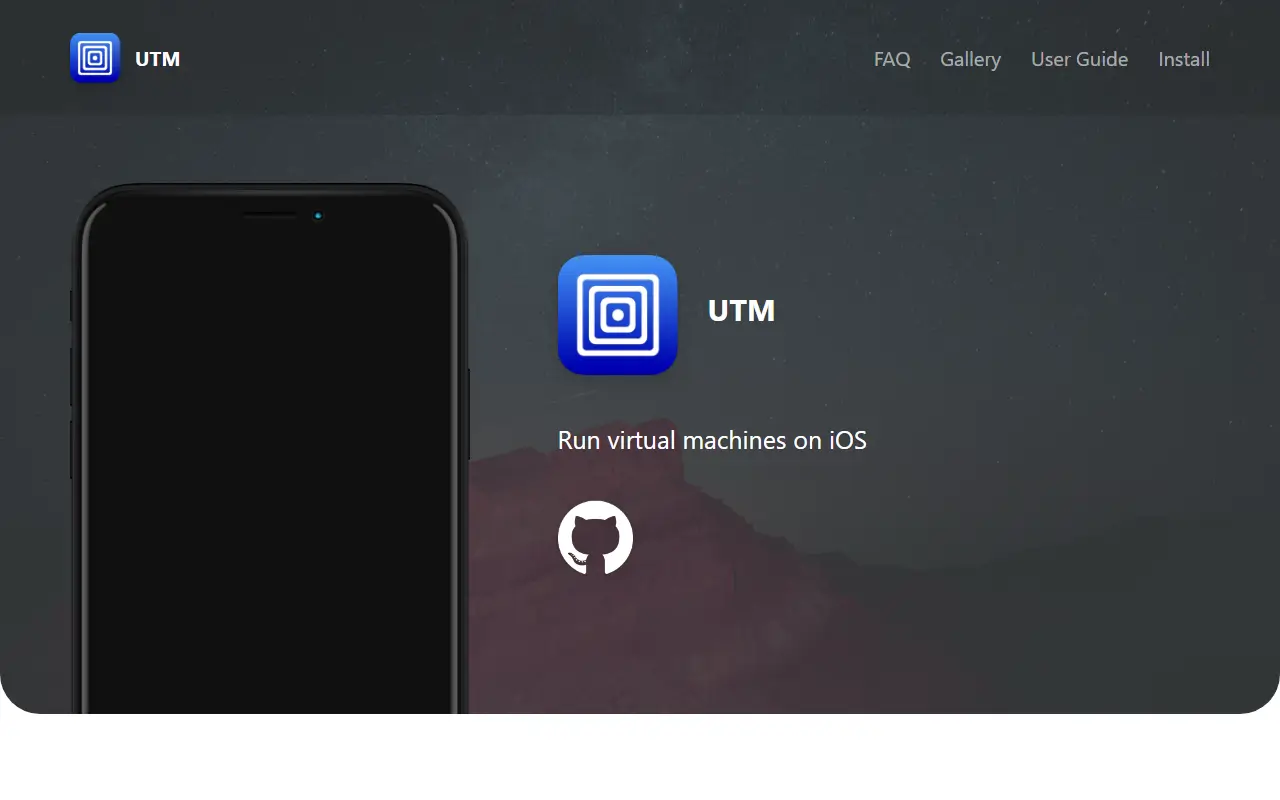
getutm.appUTM homepage screenshot

UTM emulates whole systems and hosts virtual machines on iOS and macOS, with a broad feature set. It is based on QEMU and lets you run Windows, Linux and other operating systems on a Mac, iPhone or iPad, with virtual machines created, managed and run directly from the device. The interface is written in Swift, and the project is released under the Apache-2.0 license.

Through QEMU, UTM supports more than thirty processor types, including x86-64, ARM64 and RISC-V, with VGA graphics through SPICE and QXL, a text terminal mode and USB devices. On macOS it adds hardware-accelerated virtualization using Hypervisor.framework and can run macOS guests through Virtualization.framework on macOS 12 and later. On iOS, full speed needs JIT, which requires a jailbreak or workarounds, so the project also offers UTM SE, a slower edition that uses a threaded interpreter and installs like a normal app.

Key features

  • Full system emulation based on QEMU
  • x86-64, ARM64, RISC-V and many more CPUs
  • Hardware-accelerated virtualization on macOS
  • macOS guests via Virtualization.framework
  • UTM SE edition without JIT or jailbreak
  • SPICE graphics, text terminal and USB support

Pricing: Source code is free and open source under the Apache-2.0 license.

Read more about UTMWebsite GitHub

Quickemu

Quickemu is a command-line wrapper around QEMU that quickly creates and runs optimized Windows, macOS and Linux virtual machines.

GitHub stars
16k
Last commit
4 days ago
Latest release
4.9.9
Licence
MIT
Self-hosted
Yes

Quickemu is a wrapper for QEMU that aims to do the right thing automatically when you create virtual machines. You choose the operating system you want to run, and the tools handle configuration. It is a set of shell scripts released under the MIT license, with no need to work through exhaustive QEMU options.

Two programs do the work: quickget downloads the upstream operating system and creates the configuration, and quickemu inspects your hardware and launches the virtual machine with settings that suit your computer. Virtual machines and their config can be stored anywhere, such as external USB storage or a home directory, and running them needs no elevated permissions.

Originally built for quickly testing Linux distributions, it now supports macOS releases from Mojave to Sequoia, Windows 10 and 11 including TPM 2.0, Windows Server, most BSDs and unusual systems such as FreeDOS, Haiku and ReactOS. The README cites nearly 1000 operating system editions. Features include SPICE clipboard sharing, VirtIO and Samba file sharing, and ARM64 guests. Hosts can be Linux or macOS.

Key features

  • Automatic OS download with quickget
  • Hardware-aware VM configuration
  • Windows 10 and 11 guests with TPM 2.0
  • macOS, BSD and Linux guests
  • SPICE clipboard and VirtIO file sharing
  • ARM64 guest support

Pricing: Free and open source under the MIT license.

Read more about QuickemuGitHub

VirtualBox

Oracle VirtualBox is general-purpose virtualization software that runs multiple operating systems side by side on x86 hardware.

GitHub stars
1.4k
Last commit
4 days ago
Licence
GPL-3.0
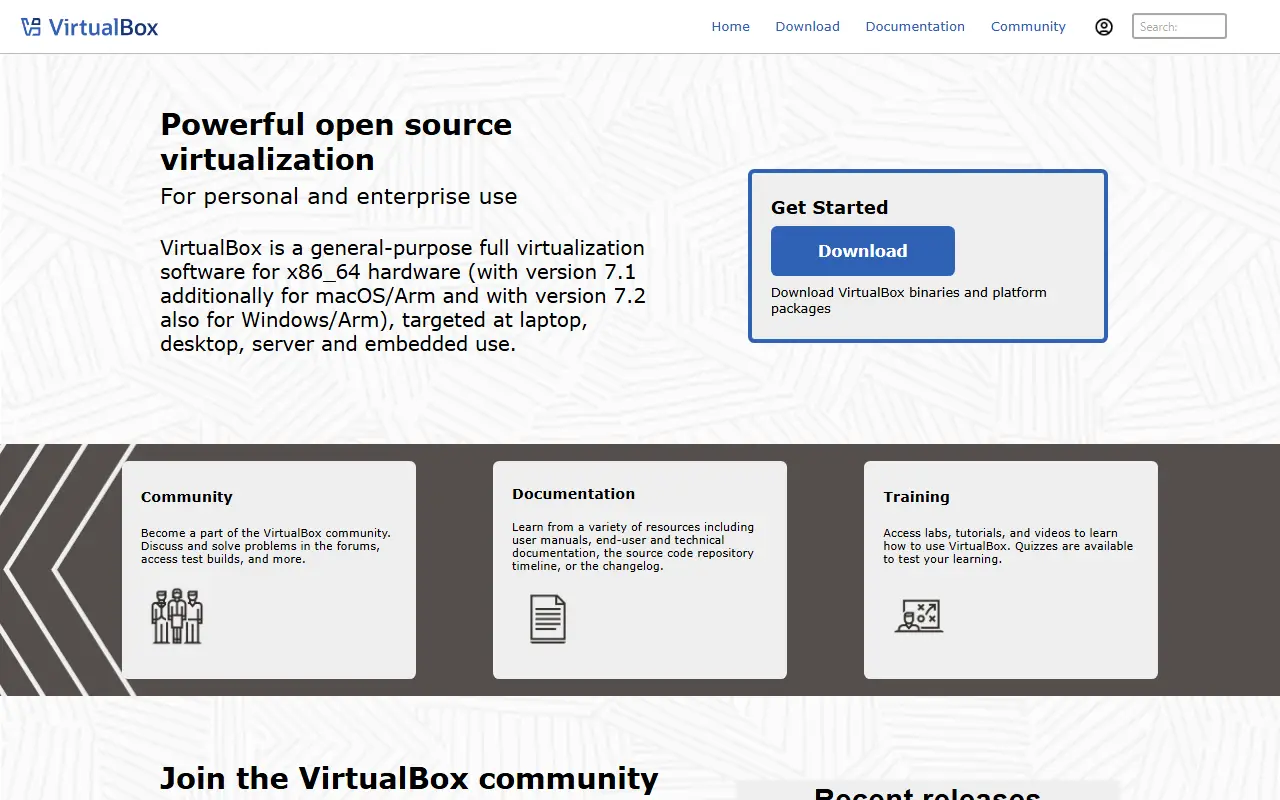
virtualbox.orgVirtualBox homepage screenshot

VirtualBox is general-purpose full virtualization software for x86 64 hardware, with version 7.1 adding macOS on Arm. It is aimed at laptop, desktop, server and embedded use. This repository contains the source code for Oracle VirtualBox, written mostly in C, and the project is licensed under GPL-3.0.

It has a graphical user interface and is available for Linux, Windows, macOS and Solaris. The README calls out flexible networking and interactive performance as strong points. It is meant for anyone who needs to run several operating systems at once and has basic knowledge of PCs and operating system installation, with software testing named as a typical benefit.

Because VirtualBox is a complex product with many platform-specific dependencies, the README points to separate build instructions. The User Guide covers features and configuration, a technical documentation set is aimed at developers, and tutorials show how to install and run virtual machines. Oracle customers with a support contract use Oracle Support, while everyone else can use the forums and issue tracker.

Key features

  • Full virtualization for x86 64 hardware
  • Graphical user interface
  • Runs on Linux, Windows, macOS and Solaris
  • Flexible networking setup
  • User guide and technical documentation

Pricing: Source code released under GPL-3.0; Oracle offers support to customers with a support contract.

Read more about VirtualBoxWebsite GitHub

Parallels Desktop alternatives: questions

What is the best open-source alternative to Parallels Desktop?
UTM is the top-ranked open-source alternative to Parallels Desktop on Enlisted: UTM is an open-source virtual machine host and system emulator for macOS and iOS, built on QEMU, for running Windows, Linux and more. Other strong options are Quickemu and VirtualBox.
Are these Parallels Desktop alternatives free?
All 3 are open source, so the code is free to use under its licence, and all of them can be self-hosted on your own server or computer.
How is this list of Parallels Desktop alternatives ranked?
By a score built from GitHub stars, star growth over the last 30 days and how recently the code changed. 3 of these projects shipped code in the last 30 days. Data is refreshed daily, and nobody can pay to move up.

People also look for alternatives to…

View all