6,598 open-source and SaaS tools, with GitHub stats refreshed every day.

3 alternatives ranked by real activity

Open-source Adafruit IO alternatives

A curated, ranked list of the 3 best open-source alternatives to Adafruit IO.

The best open-source alternative to Adafruit IO is Home Assistant. If that doesn't suit you, other good options are DGIoT and Mycodo.

Adafruit IO alternatives are mainly Home Automation & IoT tools. 2 of them shipped code in the last 30 days, 3 can be self-hosted, and 2 use a permissive licence.

Last updated October 3, 2026 · ranked by GitHub stars, growth and recent commits

Home Assistant

Open-source home automation software built around local control and privacy, with automations, dashboards, voice assistants and over 1,500 integrations.

GitHub stars
91k
Last commit
today
Latest release
2026.9.4
Licence
Apache-2.0
Self-hosted
Yes
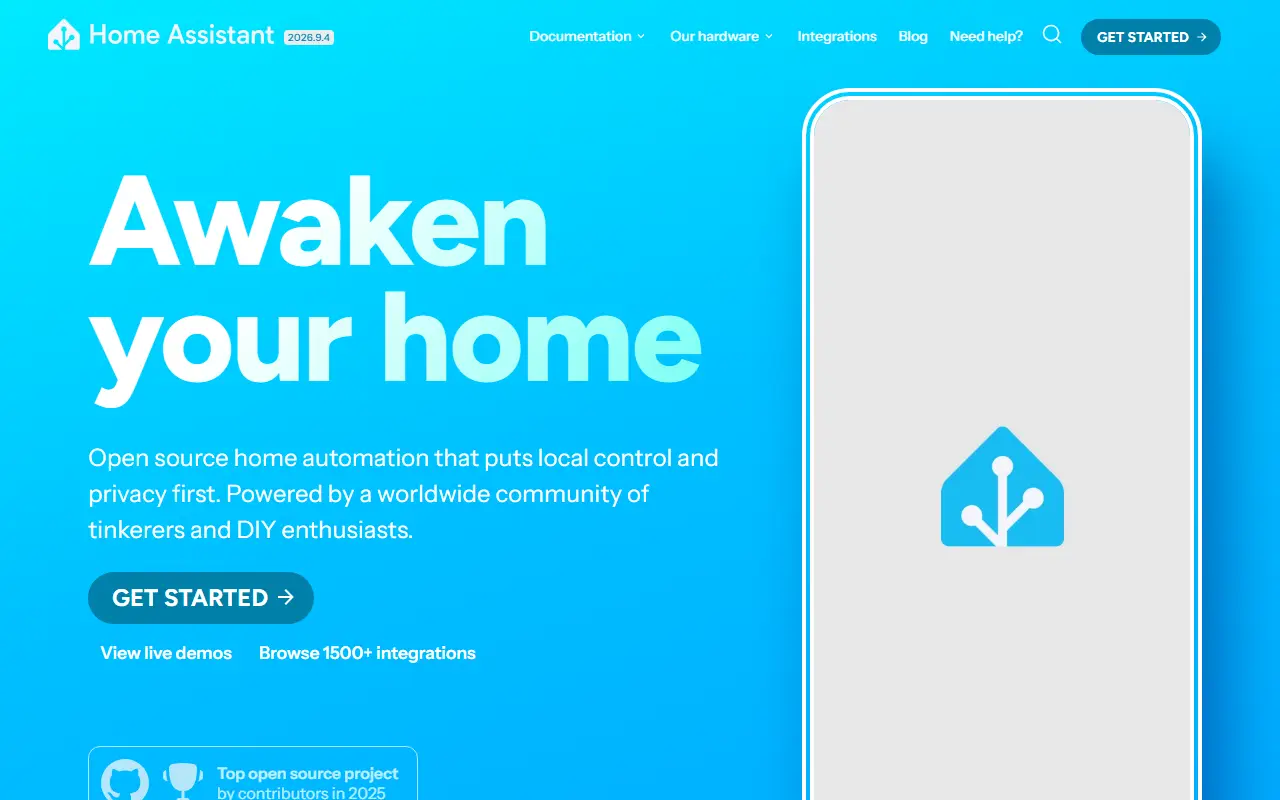
home-assistant.ioHome Assistant homepage screenshot

Home Assistant is open-source home automation software built around local control and privacy. It runs on hardware you own, such as a Raspberry Pi or a small home server, and brings smart lights, sensors, switches, thermostats and other devices together in one place. The core is written in Python and released under the Apache-2.0 license.

The documentation is organized around automations and dashboards, voice control, grouping devices by area, tracking energy use and templating, with configuration through the interface or YAML files. The project lists more than 1,500 integrations, and it can be controlled through assistants such as Alexa and Google Assistant. Companion hardware, including Home Assistant Green and the Voice Preview Edition, makes first-time setup simpler.

Home Assistant is a project of the Open Home Foundation, a non-profit that states the project cannot be sold or acquired. It suits tinkerers and DIY enthusiasts who want a home automation hub that does not depend on a single vendor's cloud, as well as people who want to unify devices from many brands under one dashboard.

Key features

  • Automations for lights, sensors and other devices
  • Customizable dashboards for your home
  • Voice assistant support
  • Energy management tools
  • Templating and YAML-based configuration
  • 1,500+ device and service integrations

Pricing: Free and open source under the Apache-2.0 license; the project also sells optional hardware.

DGIoT

DGIoT is an open-source industrial IoT platform written in Erlang that connects devices over Modbus, OPC UA and MQTT with digital twin and rules features.

GitHub stars
4.8k
Last commit
21 days ago
Latest release
v4.9.3
Licence
Apache-2.0
Self-hosted
Yes
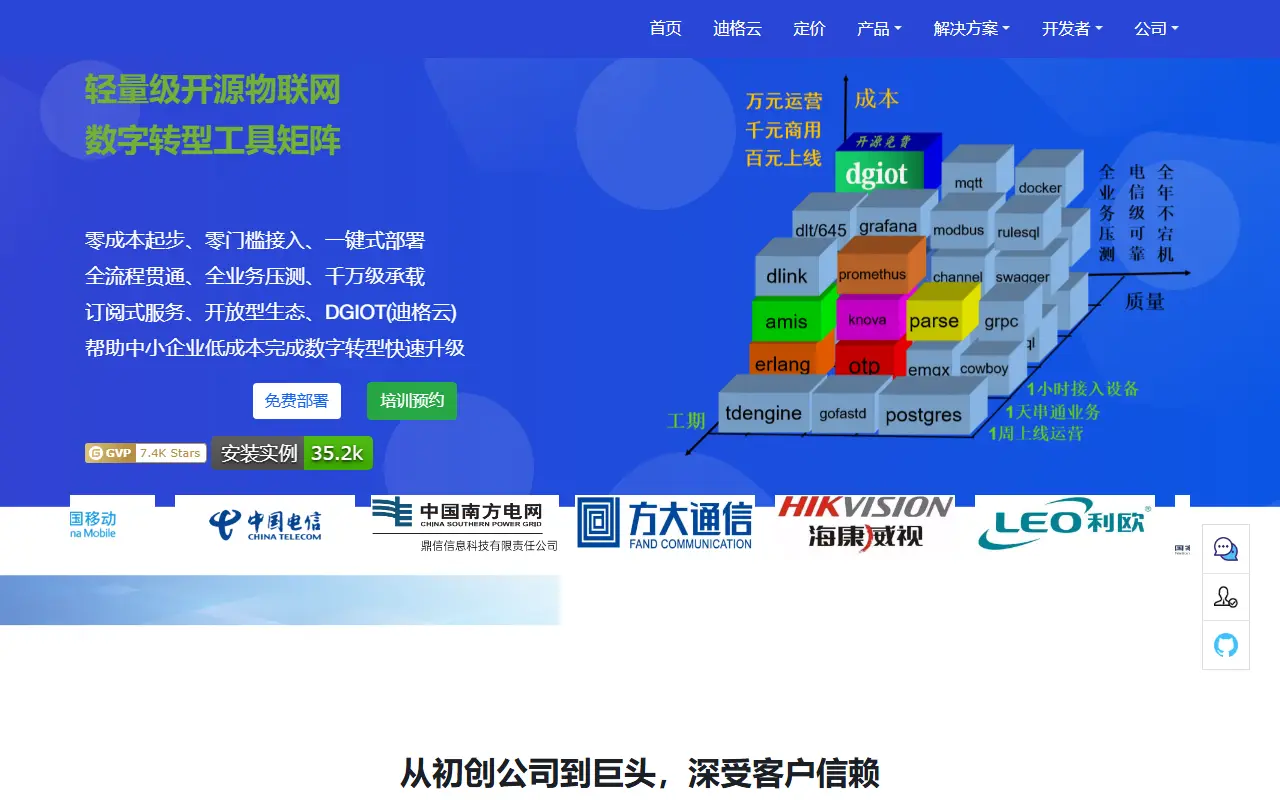
dgiotcloud.cnDGIoT homepage screenshot

DGIoT is an open-source industrial Internet of Things platform. It collects data from machines and sensors using industrial protocols such as Modbus, OPC UA and MQTT, with the project advertising support for more than 300 protocols, and it is aimed at factories, energy sites and system integrators building monitoring and control applications.

The README describes an aggregation engine built on Erlang/OTP in which every device gets its own process acting as a shadow, with an ontology layer that covers data, logic and action, and security with roles and access control. It stores time series data in TDengine, and topics reference digital twins, edge computing, SCADA and low-code configuration. Documentation includes architecture diagrams, storage design and station simulation.

DGIoT is licensed under Apache-2.0 and is deployed on your own servers, with a vendor website in Chinese. It suits industrial IoT teams who want an open platform for device connectivity, rules and visualization.

Key features

  • Industrial protocol support including Modbus and OPC UA
  • MQTT device connectivity
  • Per-device shadow processes
  • Ontology-based data and logic layers
  • Role-based access control
  • Time series storage with TDengine

Pricing: Free and open source under the Apache-2.0 license.

Read more about DGIoTWebsite GitHub

Mycodo

Mycodo is an open-source environmental monitoring and regulation system for Raspberry Pi that works with sensors and relays, popular for growing setups.

GitHub stars
3.3k
Last commit
2 mo ago
Latest release
v8.17.0
Licence
GPL-3.0
Self-hosted
Yes
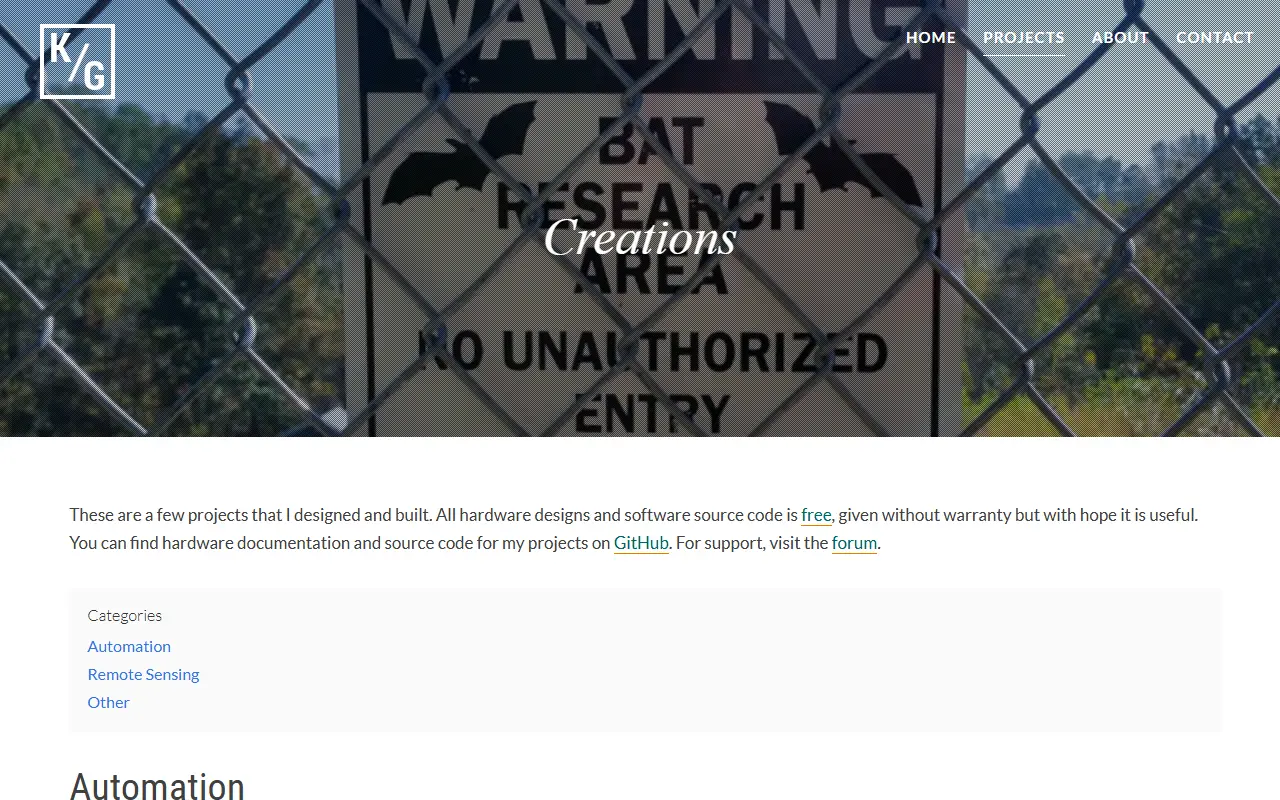
kylegabriel.comMycodo homepage screenshot

Mycodo is an environmental monitoring and regulation system written in Python. Its topics point to use on a Raspberry Pi with sensors, relays and PID control, so that conditions such as temperature or humidity can be measured, logged and kept near a target.

The project is tagged for cultivation use cases including plants, hydroponics and mushroom growing, and it provides graphs, timers and time-series measurements. It is released under GPL-3.0. Little documentation was available to summarize here, so details of supported hardware and setup are best checked in the project's repository.

Key features

  • Sensor measurement logging
  • Relay control for devices
  • PID-based regulation
  • Graphs of time-series data
  • Timers and scheduling

Pricing: Free and open source under the GPL-3.0 licence.

Read more about MycodoWebsite GitHub

Adafruit IO alternatives: questions

What is the best open-source alternative to Adafruit IO?
Home Assistant is the top-ranked open-source alternative to Adafruit IO on Enlisted: Open-source home automation software built around local control and privacy, with automations, dashboards, voice assistants and over 1,500 integrations. Other strong options are DGIoT and Mycodo.
Are these Adafruit IO alternatives free?
All 3 are open source, so the code is free to use under its licence, and 3 of them can be self-hosted on your own server.
How is this list of Adafruit IO alternatives ranked?
By a score built from GitHub stars, star growth over the last 30 days and how recently the code changed. 2 of these projects shipped code in the last 30 days. Data is refreshed daily, and nobody can pay to move up.

People also look for alternatives to…

View all