7,363 open-source and SaaS tools, with GitHub stats refreshed every day.

10 alternatives ranked by real activity

Open-source Poe alternatives

A curated, ranked list of the 10 best open-source alternatives to Poe.

The best open-source alternative to Poe is LobeHub. If that doesn't suit you, other good options are Cherry Studio, LibreChat, Chatbox and NextChat.

Poe alternatives are mainly AI tools. 6 of them shipped code in the last 30 days, 10 can be self-hosted, and 5 use a permissive licence.

Last updated October 2, 2026 · ranked by GitHub stars, growth and recent commits

LobeHub

An open-source platform that organizes AI agents into continuous operations, with options to self-host through Docker or major cloud platforms.

GitHub stars
83k
Last commit
today
Latest release
v2.2.18
Self-hosted
Yes
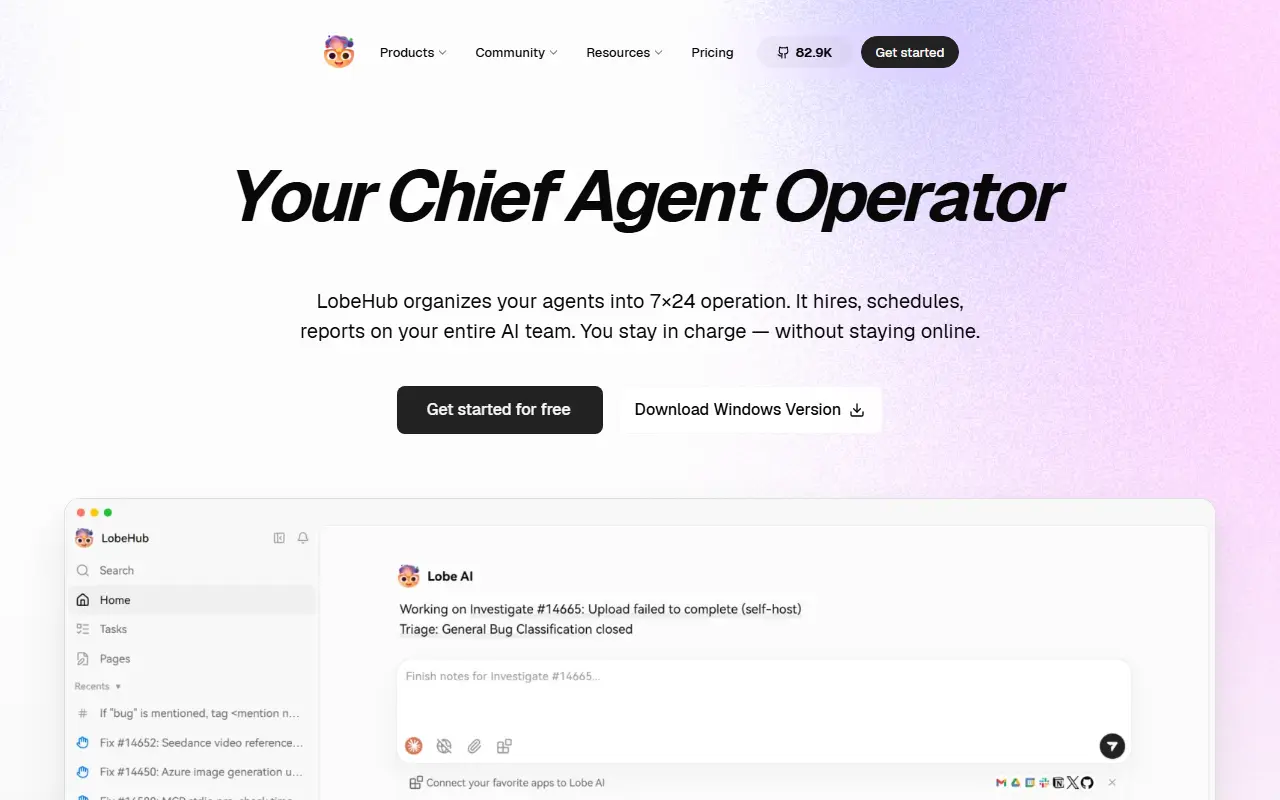
lobehub.comLobeHub homepage screenshot

LobeHub describes itself as a Chief Agent Operator that organizes your AI agents into around-the-clock operation. It is designed to take on the hiring, scheduling and reporting for a whole team of agents so that you stay in charge without having to stay online. The project is written in TypeScript, and its GitHub topics point to chat, agent, knowledge base and MCP functionality.

The README groups its features around four ideas: Operator, Create, Collaborate and Evolve, which cover treating agents as the unit of work, scaling new kinds of collaboration networks, and the co-evolution of humans and agents. A plugin ecosystem extends the platform, and the project's topics reference model providers such as OpenAI, Claude, Gemini and DeepSeek.

LobeHub can be self-hosted: the README documents deployment on Vercel, Zeabur, Sealos and Alibaba Cloud, as well as Docker, and describes the environment variables used for configuration. GitHub lists the license as 'Other', so check the repository for the exact terms. It suits individuals and teams who want to run a shared workspace of AI agents on infrastructure they choose.

Key features

  • Agents organized into continuous operations
  • Scheduling and reporting for agent teams
  • Knowledge base, skills and MCP support
  • Plugin ecosystem for extending agents
  • Docker and cloud platform deployment
  • Support for major model providers

Pricing: Free plan with 500,000 monthly credits. Starter costs $12.90, Premium $24.90 and Ultimate $49.90 per month billed monthly, or about $9.90, $19.90 and $39.90 billed yearly; Enterprise Edition is by contact.

Cherry Studio

A cross-platform desktop AI client that supports many LLM providers and local models, with prebuilt assistants, document handling and MCP support.

GitHub stars
52k
Last commit
today
Latest release
v2.1.4
Licence
AGPL-3.0
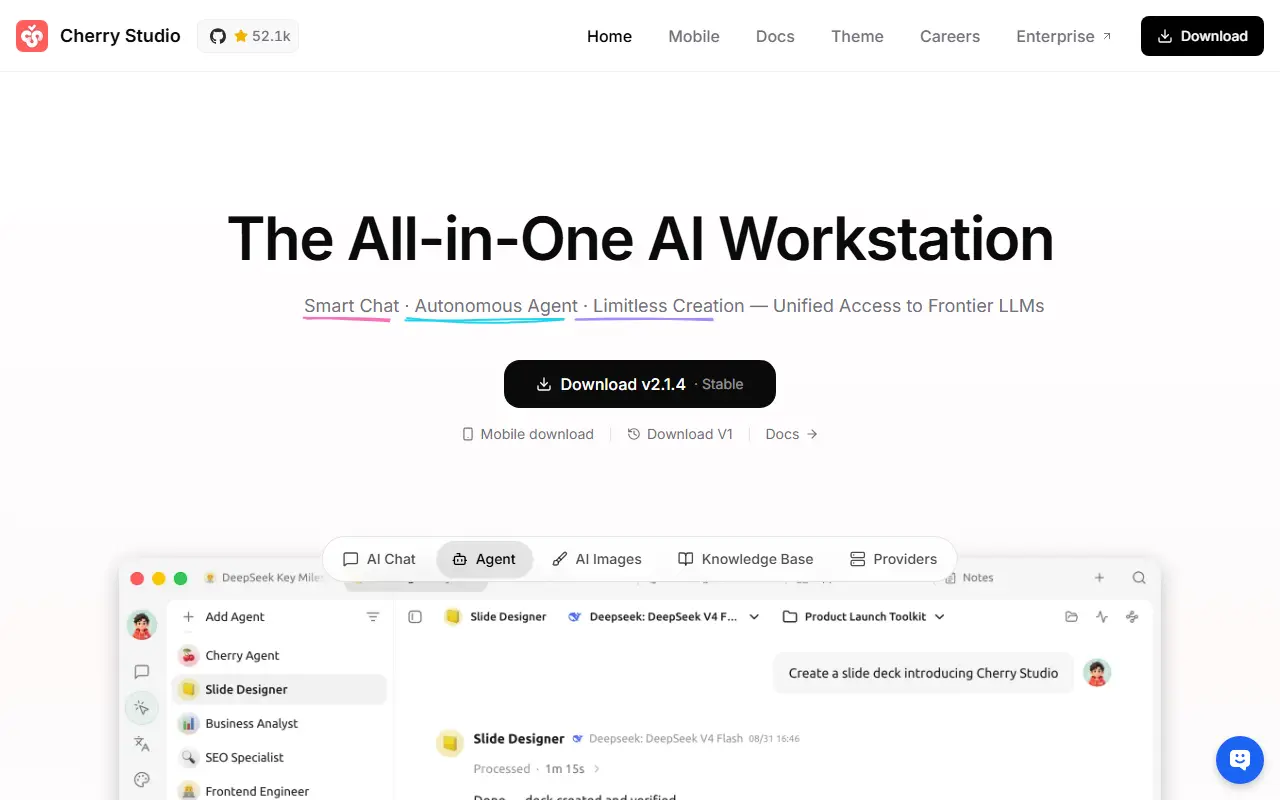
cherryai.comCherry Studio homepage screenshot

Cherry Studio is a desktop client for working with multiple large language model providers, available for Windows, Mac and Linux. It is written in TypeScript and licensed under AGPL-3.0, and it is described as an AI productivity studio offering chat, autonomous agents and a large library of ready-made assistants.

It can connect to major cloud LLM services such as OpenAI, Gemini and Anthropic, to AI web services like Claude, Perplexity and Poe, and to local models through Ollama and LM Studio. Conversations can involve several models at once, and users can pick from more than 300 preconfigured assistants or create their own.

Other tools include handling of text, images, Office files and PDFs, WebDAV backup, Mermaid chart rendering, code highlighting, global search, topic management, AI translation, mini programs and an MCP server. Themes and complete Markdown rendering are included, and no environment setup is needed. It suits individuals who want one desktop app for many models.

Key features

  • Support for many cloud and local LLM providers
  • Over 300 preconfigured AI assistants
  • Multi-model simultaneous conversations
  • Text, image, Office and PDF handling
  • WebDAV backup and Mermaid chart rendering
  • MCP server and mini programs
  • Light and dark themes

Pricing: Free and open source under the AGPL-3.0 license.

LibreChat

A self-hostable, open-source ChatGPT-style chat interface that works with many AI providers and includes agents, MCP support, artifacts and multi-user auth.

GitHub stars
45k
Last commit
today
Licence
MIT
Self-hosted
Yes
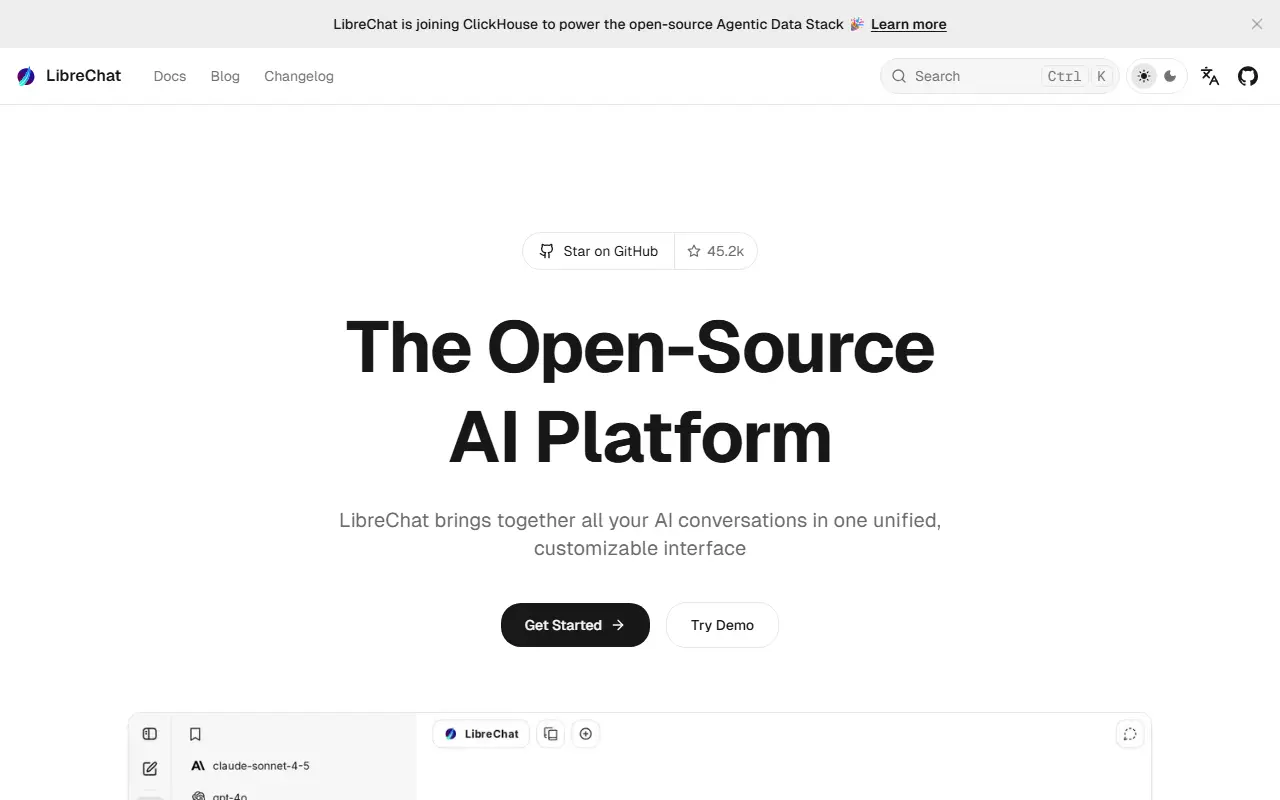
librechat.aiLibreChat homepage screenshot

LibreChat is an open-source chat interface modeled on ChatGPT that you can self-host. It is written in TypeScript and released under the MIT license. Rather than being tied to one vendor, it connects to many providers, including OpenAI, Anthropic, Azure, AWS, Google Vertex AI and Gemini, Mistral, Groq, DeepSeek and OpenRouter, and lets you switch between models within a conversation.

Its feature set includes agents, MCP and skills, artifacts, a code interpreter, image generation, OpenAPI actions and functions, presets, message search and secure multi-user authentication. The recent README highlights an agent management API in beta, optional attached workspaces for code workers that are described as highly experimental, code approval controls, manual context compaction and unified file attachments.

Administrators can set role-based grants and approval modes for sensitive actions such as file writes and command execution. LibreChat suits individuals and organizations that want a private alternative to ChatGPT with a choice of models, and teams that need multi-user access control on infrastructure they manage.

Key features

  • Chat with many AI providers in one interface
  • Switch models within a conversation
  • Agents, skills and MCP support
  • Artifacts and code interpreter
  • Message search and presets
  • Secure multi-user authentication
  • Agent management API in beta

Pricing: Free and open source under the MIT license.

Chatbox

A desktop AI client for ChatGPT, Claude, Gemini, Ollama and other LLMs on Windows, Mac and Linux, open sourced as a community edition under GPLv3.

GitHub stars
42k
Last commit
8 days ago
Latest release
v1.23.5
Licence
GPL-3.0
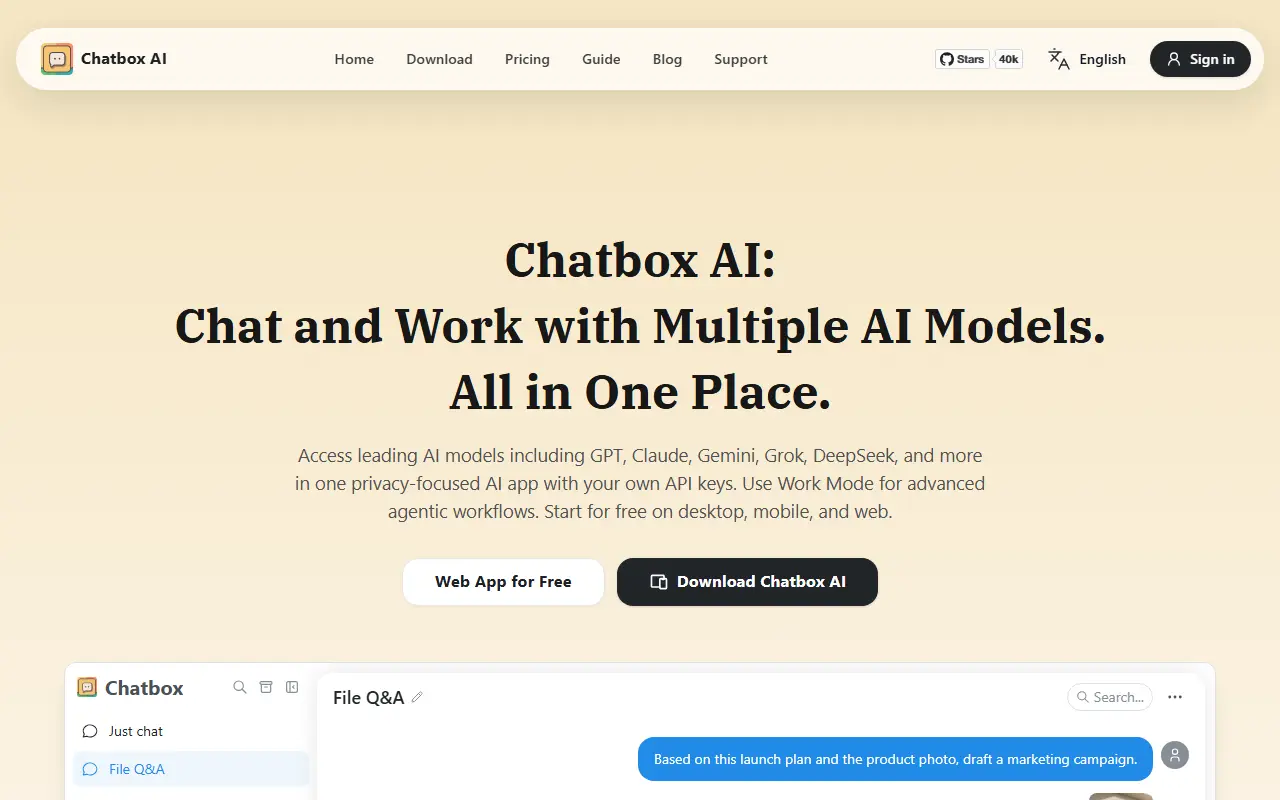
chatboxai.appChatbox homepage screenshot

Chatbox is a desktop client for talking to ChatGPT, Claude and other large language models, available for Windows, Mac and Linux. This repository holds the Community Edition, which is published as open source under GPLv3, and the maintainers say they regularly sync code between it and their pro repository. It is written in TypeScript.

It works with multiple providers, including OpenAI, Azure OpenAI, Claude, Google Gemini and Ollama, which makes local models such as Llama, Mistral and Mixtral available, plus ChatGLM-6B, and it can generate images through DALL-E 3. Setup is a matter of downloading an installer, launching the app and entering your provider settings.

System requirements listed are Windows 10, macOS 11 on Intel or Apple Silicon, or Ubuntu 20.04 and compatible AppImage-capable distributions. Download links for iOS and Android, including an APK, are mentioned alongside the desktop builds. Chatbox suits people who want a single desktop front end for several AI services, using their own API keys or local models.

Key features

  • Desktop client for ChatGPT, Claude and Gemini
  • Local model access through Ollama
  • Azure OpenAI and ChatGLM support
  • Image generation with DALL-E 3
  • Windows, macOS and Linux installers
  • Community Edition under GPLv3

Pricing: A free plan covers light use. Chatbox AI Lite is $3.99, Pro $19.99 and Pro+ $39.99 per month, with lower annual-billing rates.

NextChat

NextChat is an open-source AI chat client for the web, desktop and mobile that connects to Claude, GPT, Gemini, DeepSeek and other model providers.

GitHub stars
89k
Last commit
1 mo ago
Latest release
v2.16.1
Licence
MIT
Self-hosted
Yes
Hosted version
Available
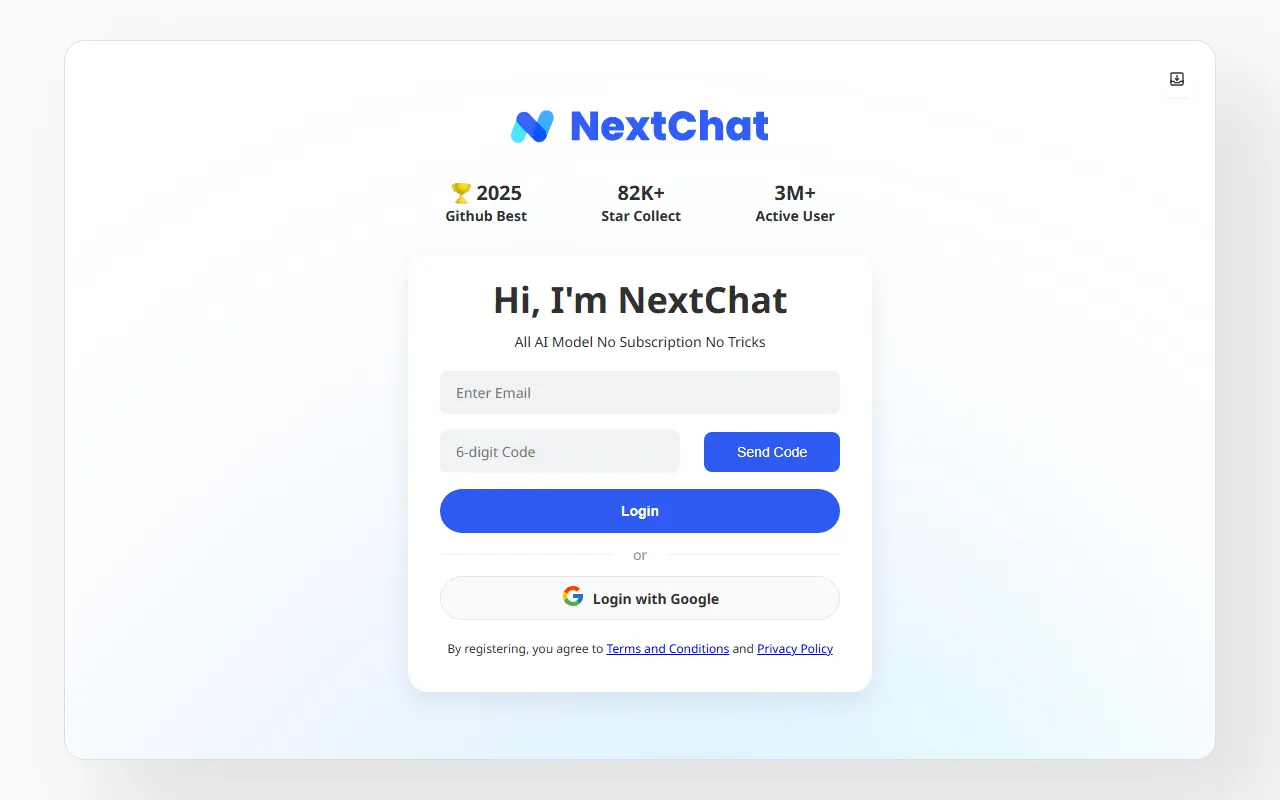
nextchat.clubNextChat homepage screenshot

NextChat is a lightweight AI chat assistant that works with several model providers, including Claude, GPT, Gemini and DeepSeek, and local runtimes such as Ollama. It is available as a web app and PWA, with desktop apps for Windows, macOS and Linux built using Tauri, and mobile apps. The code is written in TypeScript with Next.js and React, and it is released under the MIT license.

You can deploy your own instance, for example on Vercel, or use the hosted NextChatAI service, which the project describes as pay-as-you-go and not requiring your own API key. The README also notes support for the Model Context Protocol when an environment flag is set before building. An Enterprise Edition targets companies that need private deployment, brand customization, centralized management of AI resources, permission controls and integration of internal knowledge bases.

Key features

  • Chat with Claude, GPT, Gemini and DeepSeek
  • Web, PWA, desktop and mobile clients
  • Deploy your own instance on Vercel or Docker
  • Model Context Protocol support when enabled
  • Hosted NextChatAI option without own API key
  • Enterprise edition with admin and permission controls

Pricing: Open source under the MIT license; the hosted NextChatAI service is pay-as-you-go and an Enterprise Edition is available.

Big-AGI

Big-AGI is an open-source, multi-model AI chat workspace with Beam for comparing models, personas, voice, image generation and PDF import.

GitHub stars
7.1k
Last commit
yesterday
Latest release
v2.1.0
Licence
MIT
Self-hosted
Yes
Hosted version
Available
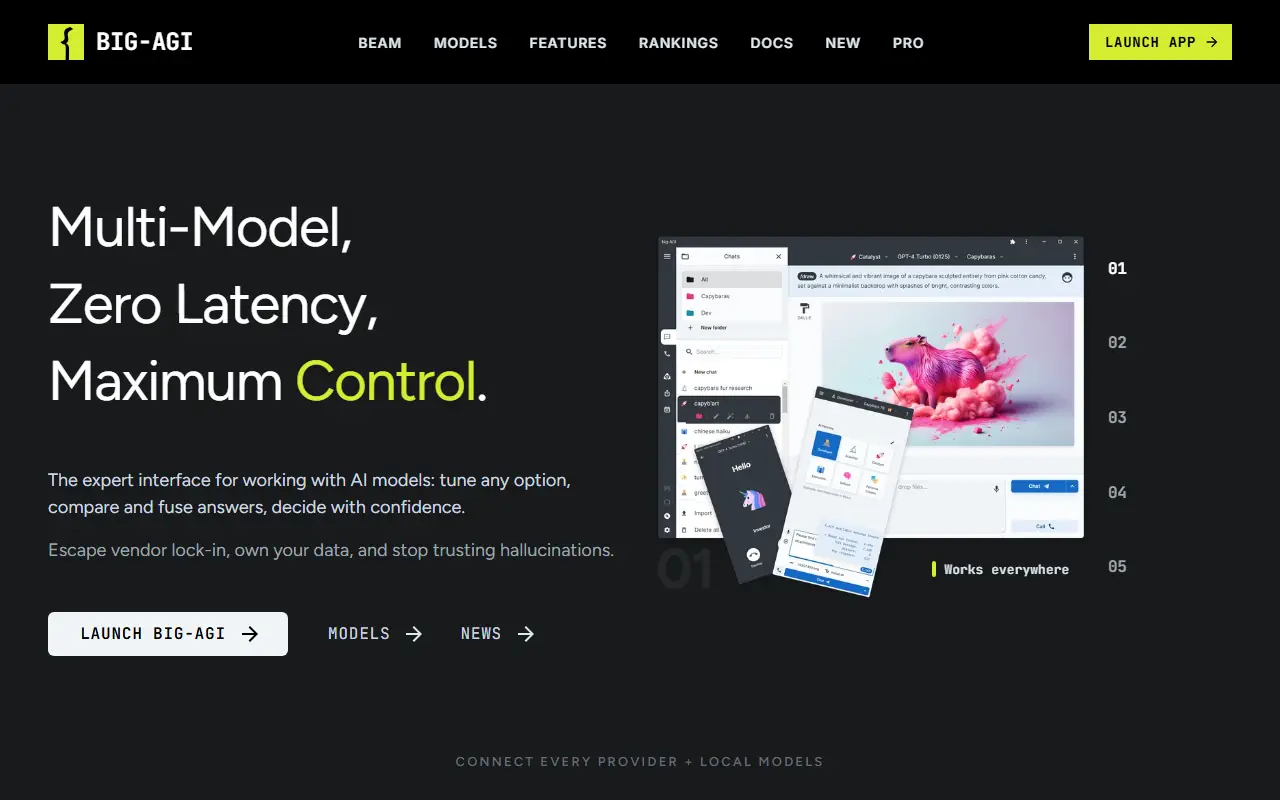
big-agi.comBig-AGI homepage screenshot

Big-AGI is a multi-model AI workspace aimed at engineers, founders and researchers who want to use several AI models from one interface. This repository is the open-source foundation of the product, and it can be deployed on your own infrastructure or in the cloud.

Its main feature is Beam, which sends a question to multiple models and merges the answers, with the aim of reducing hallucinations. Further capabilities include AI personas, native search, image generation from text, voice, streamed responses, code highlighting and execution, PDF import and developer presets. Repository topics show connections to APIs from OpenAI, Anthropic, Gemini, DeepSeek, Perplexity and xAI.

Big-AGI is written in TypeScript and licensed under MIT. The project describes itself as independent and not venture-funded, with a Pro subscription at $10.99 per month that pays for development, which also benefits the free and open-source tiers.

Key features

  • Beam multi-model chat and merge
  • AI personas
  • Native search
  • Text-to-image and voice
  • Code highlighting and execution
  • PDF import
  • Presets for developers

Pricing: Open-source and hosted Free tiers cost nothing. Pro is $9 per month billed as $108 per year and adds cloud backup and sync; Business is quoted on request.

ChatChat

A self-hostable web interface that unifies chat with major AI providers such as OpenAI, Anthropic, Google Gemini and Cohere in one app.

GitHub stars
1.3k
Last commit
yesterday
Latest release
0.1.9
Licence
AGPL-3.0
Self-hosted
Yes

Chat Chat is a unified chat and search interface for AI models that you can host yourself. It is meant to give one simple, easy-to-use place to talk to models from several providers instead of switching between separate apps, and the project documentation covers usage and deployment options.

The README lists support for major providers including Anthropic, OpenAI, Cohere and Google Gemini, with Azure also appearing in the topics, and highlights that it is easy to self-host. The interface is available in several languages, and it is built with Next.js, Tailwind CSS and shadcn UI. The project also cautions that AI models may generate inappropriate content.

Chat Chat is written in TypeScript and licensed under AGPL-3.0, which requires sharing modifications when the software is offered over a network. It runs on your own infrastructure and uses your own provider API keys. It suits individuals and small teams who want a self-managed AI chat front end with multiple model providers.

Key features

  • Chat with multiple AI providers
  • Support for Anthropic, OpenAI, Gemini, and Cohere
  • Combined chat and search experience
  • Simple self-hosting
  • Multi-language interface
  • Next.js and shadcn UI front end

Pricing: Free and open source under the AGPL-3.0 licence; you supply your own AI provider access.

AChat

Open-source, self-hostable AI chat platform for teams and enterprises that centralizes conversations, usage billing, roles and moderation across LLM providers.

GitHub stars
3.3k
Last commit
5 mo ago
Latest release
v3.2.4
Self-hosted
Yes

AChat is an open-source AI platform designed for teams and enterprises that want to run their own chat front end for large language models. It is described as self-hosted and local-first, combining local processing with synchronization to a remote server.

Conversations from across a team are managed in one place, with searchable and categorizable history. It adds team roles and permissions, built-in tools for billing, payment and cost management of AI usage, content moderation to filter sensitive material, data-compliance features, and a plugin system for extending it.

Repository topics mention OpenAI, Claude, Gemini and DeepSeek among the model providers it works with. The project is written in TypeScript; version 3 is no longer updated while version 4 is under development. Its licence is listed as other.

Key features

  • Centralized team AI conversation management
  • Searchable and categorized chat history
  • Roles and permissions for team members
  • Built-in AI usage billing and payments
  • Content moderation and review tools
  • Plugin-based extensibility

Better Chatbot

Open-source AI chat workspace, now branded Keinsaas Navigator, supporting multiple LLM providers, MCP tools, custom agents, workflows and voice chat.

GitHub stars
1.2k
Last commit
1 mo ago
Latest release
v1.26.0
Licence
MIT
Self-hosted
Yes
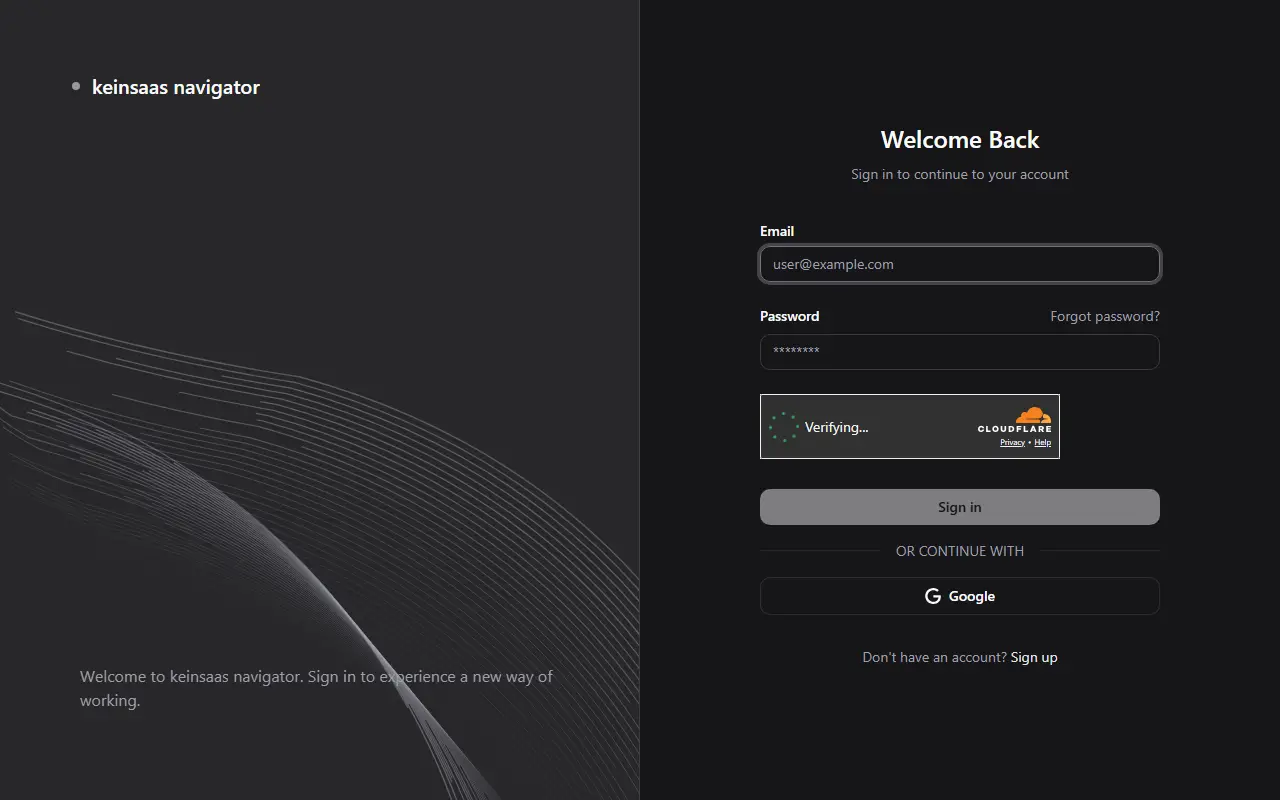
app.keinsaas.comBetter Chatbot homepage screenshot

Better Chatbot, now published as Keinsaas Navigator, is an open-source AI chatbot and workspace for individuals and teams. It was originally created by Choi Sung Keun and takes inspiration from ChatGPT, Claude, Grok and Gemini, combining their main ideas in one interface built with Next.js and the Vercel AI SDK.

It connects to many model providers, including OpenAI, Anthropic, Google, xAI and Ollama. Tools include the MCP protocol, web search, JavaScript and Python code execution and data visualization, plus image generation and editing. Users can create custom agents, build visual workflows that act as tools, generate artifacts, and share agents, workflows and MCP configurations with teammates. A realtime voice assistant can call MCP tools, and any feature can be invoked with an @mention.

The quick start targets free tiers: you need only an AI provider API key, and a Vercel deploy button handles hosting, database and file storage. The code is TypeScript and licensed under MIT.

Key features

  • Multi-provider LLM support including Ollama
  • MCP tool integration and web search
  • JavaScript and Python code execution
  • Custom agents and visual workflows
  • Image generation and editing
  • Realtime voice chat with tool access
  • Team sharing of agents and MCP configurations

Pricing: Free and open source under the MIT licence; you supply your own AI provider API key.

Zola Chat

Open-source, self-hostable chat interface that talks to many AI models, including OpenAI, Claude, Gemini, Mistral and local Ollama models.

GitHub stars
1.5k
Last commit
9 mo ago
Licence
Apache-2.0
Self-hosted
Yes
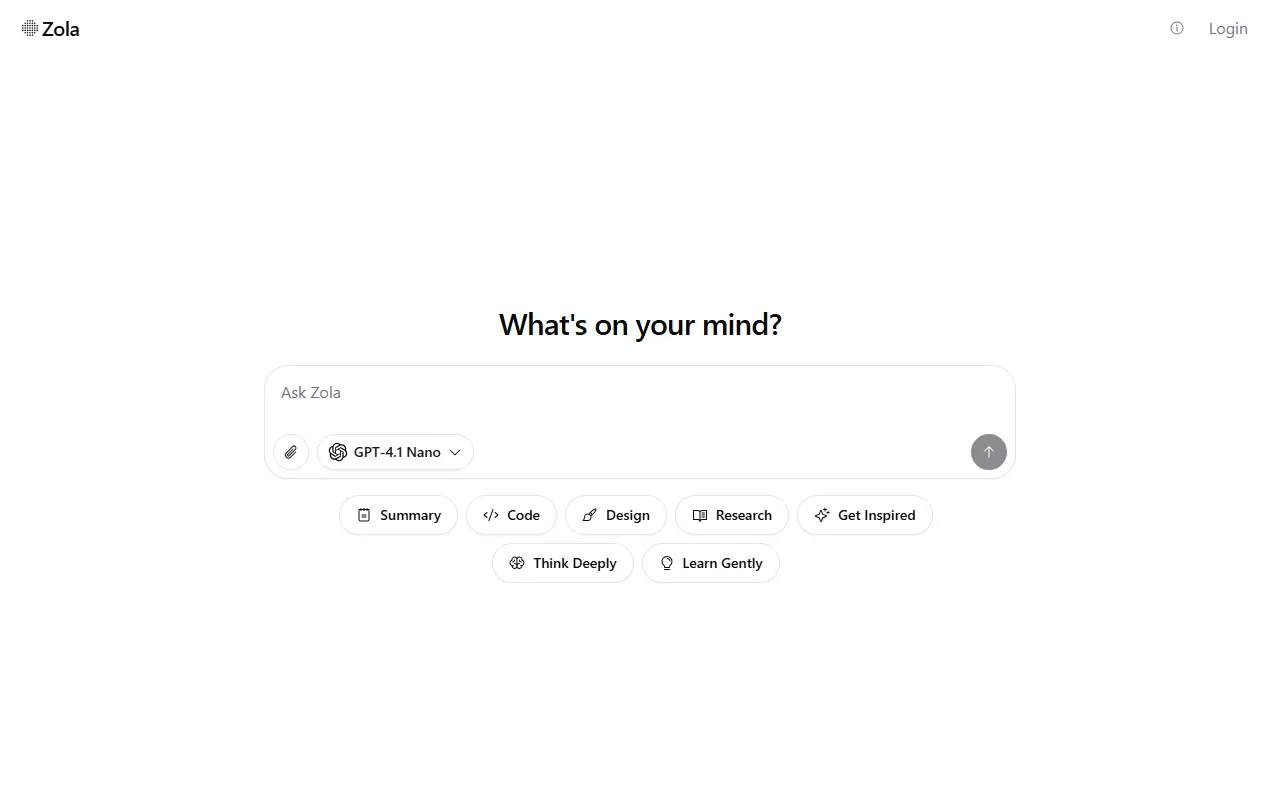
zola.chatZola Chat homepage screenshot

Zola is an open-source chat interface for working with many AI models from one place. It supports OpenAI, Mistral, Claude, Gemini and local models through Ollama, and lets you bring your own API keys, including through OpenRouter. It is aimed at individuals and teams who want a clean multi-model chat app they can host and change themselves rather than being tied to a single vendor.

Features include file uploads, a responsive interface with light and dark themes, a user-defined system prompt, multiple layout options, and automatic detection of local Ollama models. Support for the Model Context Protocol is listed as work in progress. The interface is built with Tailwind CSS, shadcn/ui, prompt-kit and motion-primitives, uses the Vercel AI SDK for model integration, and relies on Supabase for authentication and storage when those features are enabled.

The quick start offers three routes: OpenAI in the cloud, Ollama locally, or Docker with Ollama. Zola is licensed under Apache-2.0 and written in TypeScript with Next.js. The README labels it a beta release whose codebase may change.

Key features

  • Multi-model chat for OpenAI, Claude, Gemini and Mistral
  • Local models through Ollama with auto-detection
  • Bring your own API key via OpenRouter
  • File uploads
  • Custom system prompt and layout options
  • Light and dark themes
  • Docker deployment

Pricing: Free and open source under Apache-2.0. You pay your chosen AI providers for model usage.

Poe alternatives: questions

What is the best open-source alternative to Poe?
LobeHub is the top-ranked open-source alternative to Poe on Enlisted: An open-source platform that organizes AI agents into continuous operations, with options to self-host through Docker or major cloud platforms. Other strong options are Cherry Studio, LibreChat, Chatbox and NextChat.
Are these Poe alternatives free?
All 10 are open source, so the code is free to use under its licence, and all of them can be self-hosted on your own server or computer. 2 also offer a paid or managed cloud version if you'd rather not host it yourself.
How is this list of Poe alternatives ranked?
By a score built from GitHub stars, star growth over the last 30 days and how recently the code changed. 6 of these projects shipped code in the last 30 days. Data is refreshed daily, and nobody can pay to move up.

People also look for alternatives to…

View all